
FREE QUOTE CALL OR TEXT
0424 408 330
No Call Out Fee Conditions apply*
GET YOUR JOB BOOKED IN AND FINISHED TODAY !!
"*" indicates required fields
Concrete Cancer Repairs Sydney
Restore and strengthen your concrete surfaces with the experts at Microcement Services NSW. We deliver professional concrete cancer repairs and concrete spalling repairs throughout Sydney & NSW.
Our team of concrete cancer repair specialists provide customised solutions to ensure that your building’s structural integrity is guaranteed for decades to come, making it safe and functional for long-term use again.
FREE QUOTE CALL OR TEXT 0424 408 330
Trusted by Builders, Strata Managers & Property Owners
GET YOUR JOB BOOKED IN AND FINISHED TODAY !!
"*" indicates required fields

FREE PRICE BEAT GUARANTEE
QUOTE
We’ll Beat ALL Quotes By Up To 10%
Conditions apply. *Cannot be used in conjunction with any other offer.
Concrete Spalling Repairs Sydney
Concrete Spalling Repairs Sydney
Why Choose Microcement Services NSW For Concrete Cancer Repairs?
Here at Microcement Services NSW there is a large range of reasons of why you should pick our concrete cancer repairs team, such as:
Dust-Free Technology:
We invest in premium dust extraction systems that drastically reduce airborne particles, ensuring a cleaner, healthier worksite. This not only protects your property but also significantly reduces post-job clean up requirements.
Over 35 Years of Experience:
Our experienced team understands the unique complexities of different concrete cancer repair methods and repairing it in a wide range of different areas. We know how to get the job done safely and efficiently.
Fully Licensed and Insured:
Microcement Services NSW operates with all the necessary industry licenses and insurance to ensure every project is protected, compliant, and professional.
Full-Service Floor Preparation:
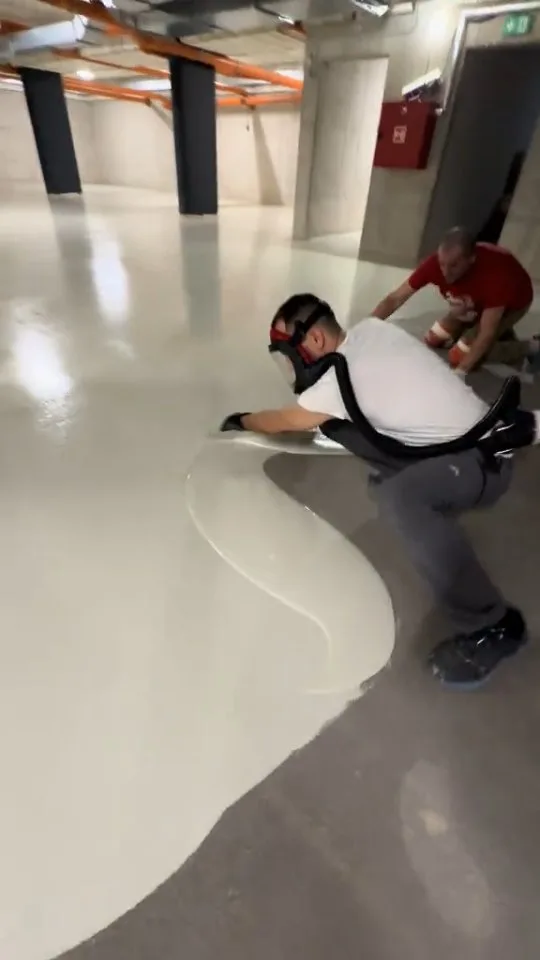
We don’t just stop at repairs. We prepare your concrete slab through grinding and adhesive removal as well as floor levelling, waterproofing, concrete crack repairs and concrete cancer repairs—making it perfectly ready for the installation of your new microcement.
Competitive Rates + Price Beat Guarantee:
We offer some of the most competitive prices in the industry and will beat any written quote from a competitor by up to 10%*, providing exceptional value without sacrificing quality.
Warranty Protection:
Professionally repaired concrete cancer comes with a warranty, while DIY installations often fail within short periods of time and come with no warranty. Our services come with warranties (10, 20 or 30 years, depending on the product applied), giving you peace of mind.
Focus On Customer Satisfaction:
We aim to deliver results that exceed expectations. Our team is committed to providing professional service, open communication, and top-tier outcomes on every project.
Quality Materials:
We only use top-grade materials that meet Australian standards, ensuring longevity and performance.
Tailored Solutions:
We assess each project individually, providing customised floor levelling solutions to meet specific needs.
Professional Concrete Cancer Repair Specialists
Concrete cancer—often referred to as concrete spalling or deterioration—can severely weaken your structure if it’s not addressed quickly. As the issue progresses, cracks expand, concrete begins to crumble, and repair costs can escalate. In serious cases, it may even pose a significant safety risk. That’s why having qualified experts diagnose and restore damaged concrete is crucial.
At Microcement Services NSW, we provide reliable concrete cancer repair services throughout Sydney. Our experienced technicians use proven repair methods and industry-leading equipment to locate the root cause, restore affected areas, and help protect your property from future corrosion and damage.
Our team will assess the condition of your concrete, explain the recommended repair strategy, and supply a detailed quote with long-lasting solutions tailored to your property. CONTACT US NOW FOR A FREE QUOTE
What Is Concrete Cancer And How Is It Treated?
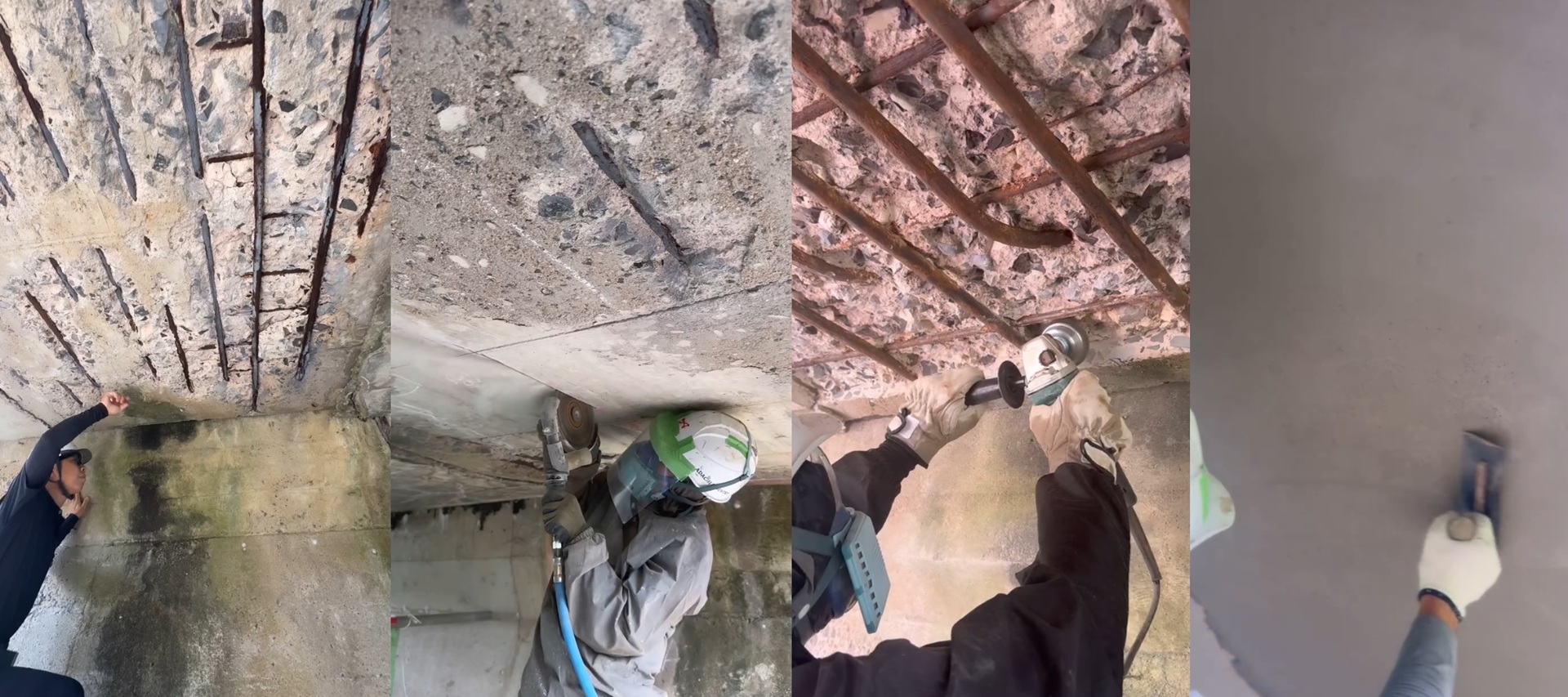
Concrete cancer occurs when the steel reinforcement inside concrete begins to corrode. As the steel rusts, it expands and forces the surrounding concrete to crack, flake, or crumble. This structural damage allows even more moisture to enter, accelerating deterioration if left untreated. Early detection and professional repair are essential to stop the spread and restore the strength of the structure.
Our Professional Concrete Cancer Repair Method
Step 1: Free Site Visit & Quote
We start with a no-cost inspection to assess the visible damage and provide a clear, detailed repair estimate.
Step 2: Comprehensive Assessment
Our specialists investigate the affected area to identify the cause, assess the severity, and determine the most effective repair solution.
Step 3: Removal of Damaged Concrete
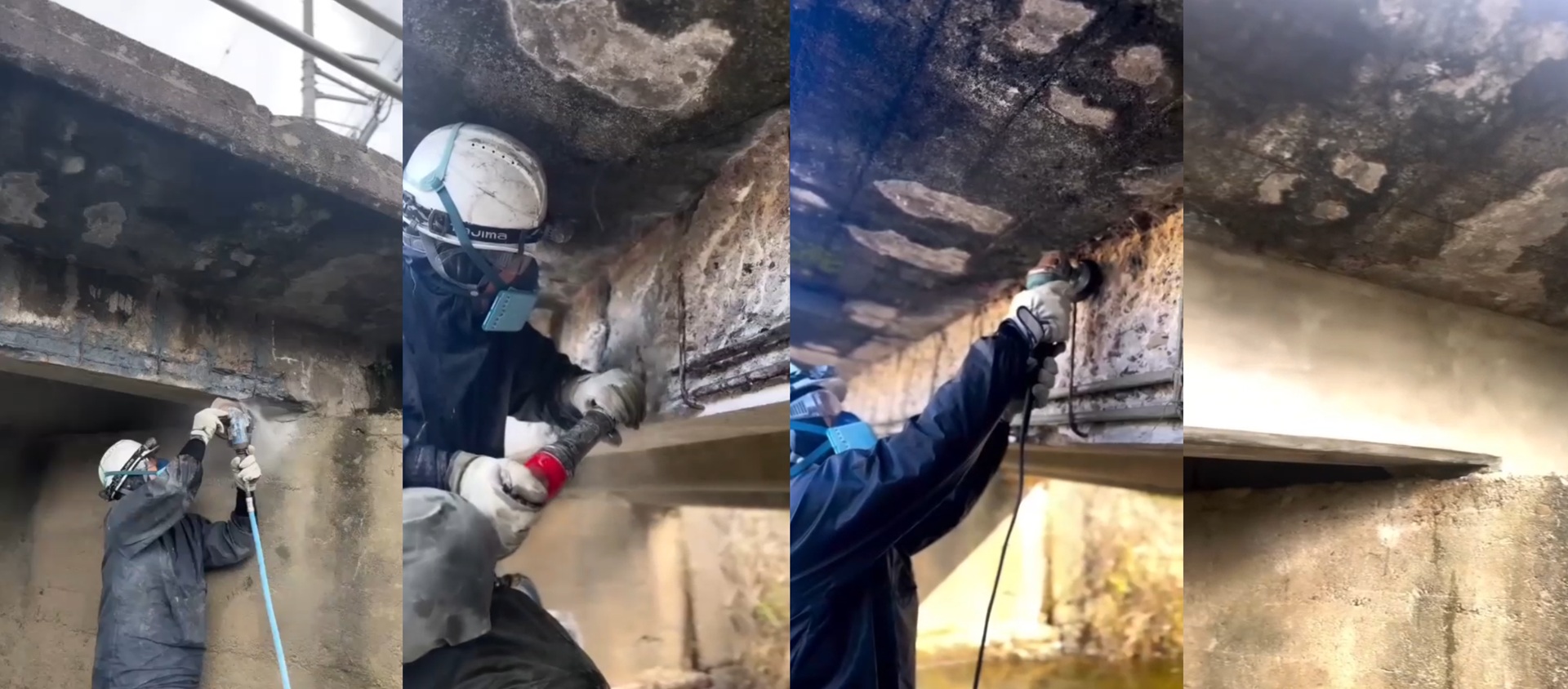
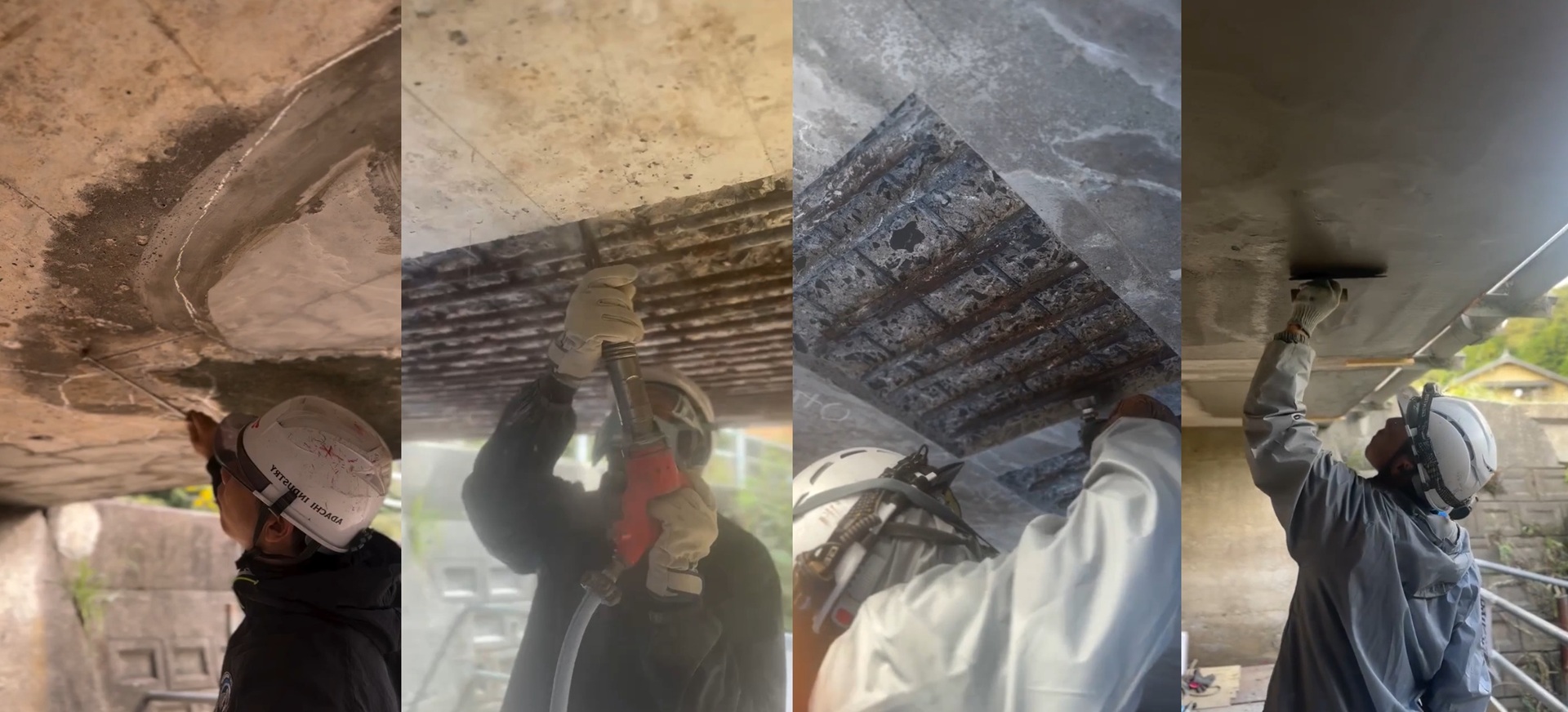
Damaged and weak concrete is precisely cut out to create clean edges and prepare the surface for repair.
Step 4: Jackhammer Removal (Low-Dust Equipment)
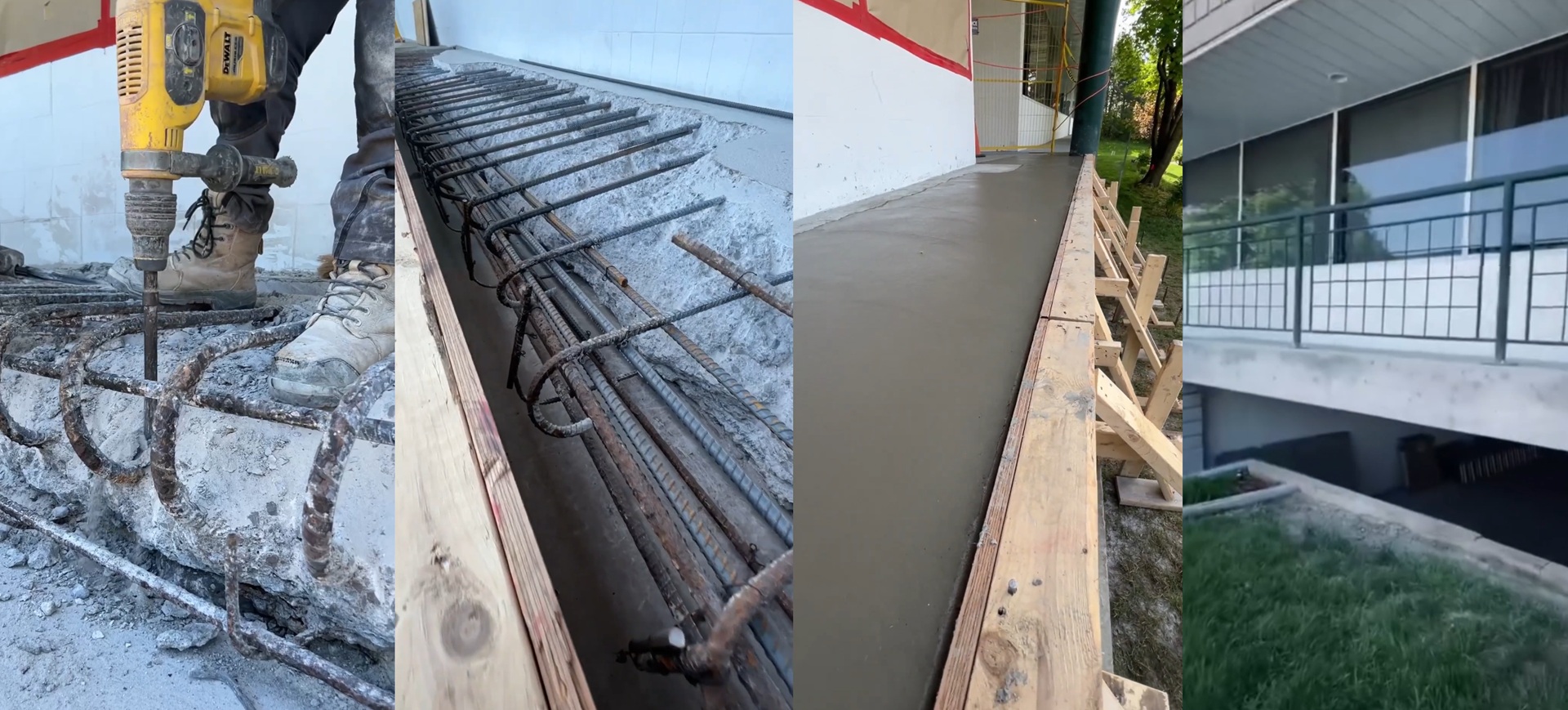
Using dust-controlled jackhammers, we break away all compromised concrete surrounding the steel reinforcement.
Step 5: Steel Rust Treatment
Any exposed reinforcement is cleaned thoroughly using professional grinding tools to remove rust and return the steel to a sound surface.
Step 6: Surface Preparation & Cleaning
All surrounding surfaces are cleaned to promote bonding and ensure a long-lasting repair.
Step 7: Anti-Corrosion Treatment & Priming
A specialised primer and anti-corrosion coating are applied to protect the steel and prevent future rusting.
Step 8: Reinforcement Repair or Replacement
Where required, new steel reinforcement is installed or existing bars are strengthened to restore structural integrity.
Step 9: Waterproof Barrier Coating
A waterproof membrane is applied to shield the reinforcement from moisture intrusion.
Step 10: Concrete Rebuild & Finishing
High-quality repair mortar is applied and shaped to match the original surface, then allowed to cure for a durable and seamless finish.
Top 10 Signs You May Have Concrete Cancer
Worried your concrete may be deteriorating from within? Here are common indicators that your structure may be suffering from concrete cancer:
Rust Marks Appearing on Surfaces:
Brown or rusty streaks bleeding through the concrete often point to corroding steel beneath.
Surface Breakdown & Porosity:
Concrete that feels crumbly, soft, or porous may be letting water seep in, accelerating internal damage.
Cracking in Walls or Slabs:
Fine hairline fractures or larger cracks can signal hidden reinforcement corrosion and structural stress.
Water Marks or Damp Patches:
Persistent moisture staining or pooling water typically suggests poor drainage and potential concrete deterioration.
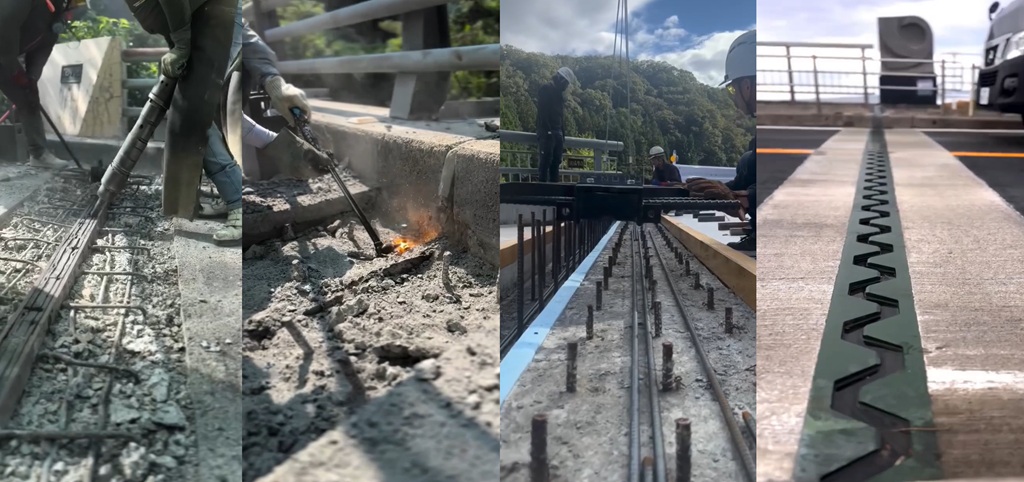
Compromised Expansion Joints:
Damaged or deteriorated joints can cause excess movement, leading to cracking and internal steel exposure.
Shallow Steel Reinforcement:
When reinforcing bars sit too close to the surface, they corrode faster and weaken the surrounding concrete.
Corroded Fixings or Metal Components:
Rusting embedded metal fittings are an early sign that concrete decay may be developing around them.
Blistering or Peeling Paint:
Paint bubbling, especially on ceilings and soffits, can indicate trapped moisture and concealed concrete cancer.
Hollow or Drummy Sounds When Tapped:
A hollow sound suggests delamination — where concrete has separated from the internal reinforcement.
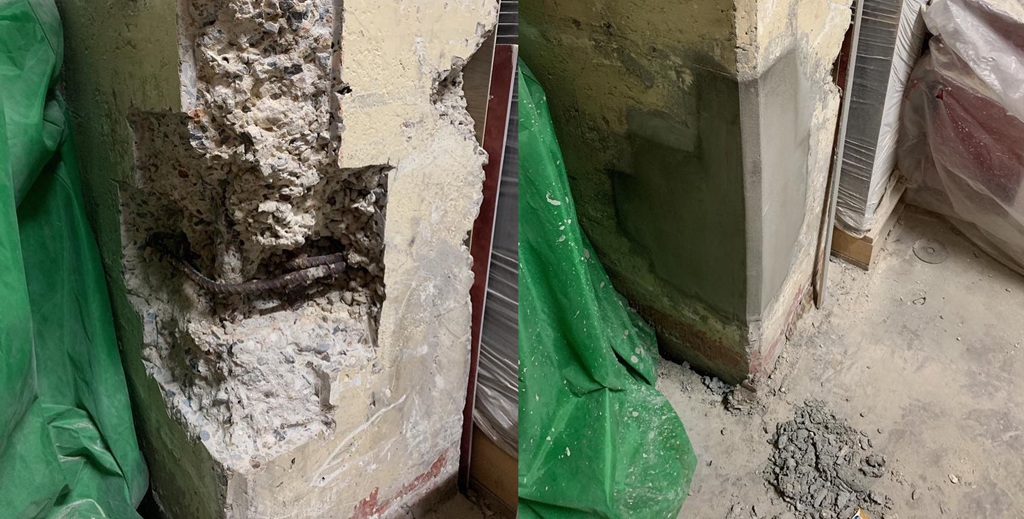
Visible Rusted Reinforcement:
When pieces of concrete break away and expose rusty steel, the cancer has progressed and needs urgent attention.
Key Risk Factors For Concrete Cancer
Certain conditions increase the likelihood of developing concrete cancer:
Magnesite Flooring:
Many properties built between the 1920s and late 1990s feature magnesite flooring. While once popular, this material can contribute to moisture-related deterioration and increase the risk of reinforcement corrosion. If present, it’s important to have professionally removed to prevent long-term structural damage.
Coastal Locations:
Homes and commercial buildings located near the coastline face harsher environmental conditions. Salt-rich sea air can penetrate concrete and accelerate the rusting of internal steel components.
Water Ingress:
Cracks, poorly sealed joints, and porous concrete allow water to seep in and reach the steel reinforcement. Capillary action can draw moisture and contaminants through the concrete, reaching the rebar.
Salt Exposure:
Salt-laden air, particularly in coastal areas, significantly accelerates the corrosion of steel reinforcement.
Carbonation:
Over time, carbon dioxide from the air reacts with the concrete, making it more acidic and less able to protect the steel from rust.
Age:
Older buildings are at a higher risk due to long-term exposure to environmental stressors.
Insufficient Concrete Cover:
If there isn’t enough concrete covering the steel reinforcement, the rebar is more vulnerable to moisture and corrosion.
Poor Initial Construction:
Low-quality concrete mixes, improper placement of steel, and inadequate preparation of the reinforcing steel can lead to early failure.
Poor Waterproofing:
Inadequate or failed waterproofing membranes and poor drainage allow water to penetrate the structure.
Stress Fractures:
Cracks caused by weight bearing, general wear and tear, or ground movement create pathways for water to enter and reach the steel.
Incompatible Metals:
Using different types of metals in close proximity can cause an electrochemical reaction that accelerates corrosion. 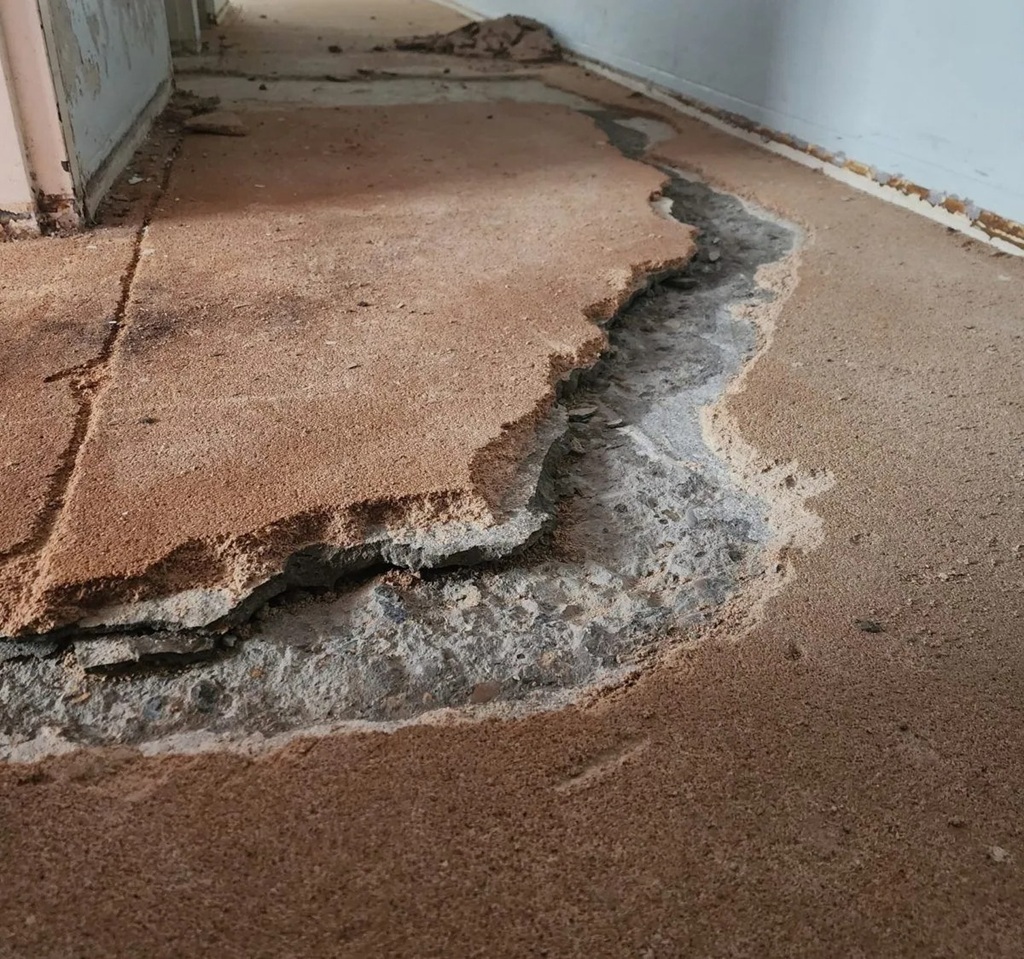
DO YOU NEED HELP WITH A SERVICE?
Fill out the form and our team will contact you!
"*" indicates required fields
Price Beat Guarantee
10%*
We Will Beat All Of Our Competitors Quotes By Up To 10%*

How Much Does It Cost To Repair Concrete Cancer?
The cost for concrete cancer repair can range from a few thousand dollars for minor repairs to well over $50,000 or more for major structural issues, with averages often cited as around $100 per litre of material needed.
Factors like the extent of the damage, the location of the repair (e.g., balconies, beams, ceilings, floors), the need for scaffolding, and the complexity of the work all significantly influence the final price. Below we will explain the cost breakdown and factors:
Minor Repairs:
A small patch job could cost several thousand dollars.
Major Repairs:
Significant structural repairs can run into tens of thousands of dollars or more.
Factors Influencing Cost:
Severity and Extent of Damage:
More extensive damage means higher costs.
Structural Complexity:
Repairs on beams, columns, or balconies may be more expensive.
Access:
Scaffolding can add significant costs, potentially over $15,000 per elevation.
Additional Work:
Costs for waterproofing or applying protective coatings can increase the total.
The Root Cause:
The underlying cause must be fixed, or the problem will reoccur, leading to repeated costs.
Free Concrete Cancer Inspections Available Anywhere In Sydney
Concerned about concrete deterioration in your property? Microcement Services NSW provides free, no-obligation concrete cancer inspections throughout Sydney.
Our skilled technicians carefully evaluate affected areas to pinpoint the underlying cause of concrete failure. Early detection is crucial — addressing the problem before it spreads helps protect your building’s strength and prevents costly future repairs.
After identifying the source of the damage, we create a customised repair strategy designed to deliver long-lasting structural protection and restore the integrity of your concrete surfaces.
Suspect concrete cancer on your property? CONTACT US TODAY to book your free onsite assessment. We’ll supply a clear, upfront quote and recommend the most effective solutions to repair, reinforce, and safeguard your structure.
Click Here To Learn More About Our Free Concrete Cancer Inspection Service
What Does Concrete Cancer Look Like?
Concrete cancer happens when the steel reinforcement inside concrete begins to rust and expand. This internal corrosion places pressure on the surrounding concrete, leading to visible warning signs. Spotting these early can help prevent major structural damage and expensive repair work.
Cracks and Crumbling Surfaces:
Fractures in the concrete, flaking patches, or areas where pieces have broken away—especially around corners, edges, or joints—may suggest the reinforcing steel inside is deteriorating.
Rust Stains or Discolouration:
Brown or reddish streaks appearing on the concrete surface can signal rusting steel beneath. As the steel corrodes and swells, rust often becomes visible on the outside.
Blistering and Peeling Finishes:
Rising blisters, flaking paint, or bubbling render typically indicate internal pressure from expanding rusted reinforcement pushing outward.
Chalky White Deposits:
A powdery, white salt-like residue on the surface—known as efflorescence—often appears when moisture is present and concrete is beginning to degrade.
Moisture Damage and Damp Spots:
Persistent damp patches, water leaks, or staining on walls, ceilings, or balcony undersides in concrete structures can be a warning that deeper deterioration is occurring.
Swelling or Warped Concrete:
In severe situations, you may notice bulging or uneven sections where the concrete appears pushed outward, caused by expanding corroded steel forcing the material apart.
Thinking About Buying a Property With Concrete Cancer?
Purchasing a property that shows signs of concrete cancer requires careful consideration. Although the price may seem attractive, hidden structural issues can lead to major expenses and potential safety risks down the track. Concrete cancer — also referred to as concrete spalling — weakens reinforced concrete and, if left untreated, can cause serious structural deterioration.
Before committing to the purchase, organise a thorough inspection by a qualified building professional and seek advice from a structural engineer. They can evaluate how severe the damage is and outline the likely repair costs. Having a clear understanding of the condition of the building and the financial implications will help you make a confident and informed decision, ensuring there are no unpleasant surprises after settlement.
What Is Concrete Cancer?
Concrete cancer refers to a structural problem that occurs when the steel reinforcement inside concrete begins to corrode. As the steel rebars rust, they swell in size, putting pressure on the surrounding concrete. This pressure leads to cracking, weakening, and eventually chunks of concrete breaking away. If not addressed early, the deterioration can spread quickly and cause major structural damage.
While concrete is built to be strong and long-lasting, it can still be vulnerable to deterioration over time. Factors such as exposure to moisture, salt, poor waterproofing, and construction faults can allow water to penetrate the concrete and reach the reinforcing steel. Once corrosion begins, the steel can expand significantly, forcing the concrete to crack and crumble. Common signs of concrete cancer include surface cracking, flaking or spalling concrete, and reddish-brown rust stains appearing on surfaces.
Early diagnosis and professional repairs are vital to preventing further damage and protecting the stability of the structure.
What Is the Difference Between Concrete Cancer and Concrete Spalling?
Concrete cancer and concrete spalling are terms often used interchangeably, but they refer to different stages and causes of concrete deterioration. Understanding the distinction helps property owners identify issues early and take the right steps to protect their structures.
Concrete Spalling – Describes the visible surface damage that occurs when concrete starts to chip, flake, or break away. This typically happens due to environmental exposure, moisture penetration, and general wear and tear. Spalling may look like crumbling patches, rough exposed areas, or cracked sections on the concrete surface. While concrete spalling can weaken the structure over time, it does not always mean the internal steel reinforcement is affected.
Concrete Cancer – On the other hand, is a more serious issue that begins inside the structure. It occurs when moisture reaches the steel reinforcement (rebar) within the concrete. Once exposed to water and air, the steel begins to rust and expand. This expansion creates internal pressure, causing the surrounding concrete to crack and break apart. Over time, this corrosion accelerates, leading to severe instability, structural weakening, and widespread damage. Concrete cancer is essentially advanced deterioration — often indicated by rust stains, bulging concrete, and deep cracking.
How Long Do Concrete Cancer Repairs Take?
The duration of concrete cancer restoration varies based on the size of the property and the severity of the damage. For most homes and smaller commercial buildings, repairs are generally completed within one to five days. Larger jobs—such as multi-level structures, underground car parks, or coastal buildings exposed to salt air—can extend over several weeks due to the additional work involved.
Minor Repairs: 1 – 2 days
Small isolated sections of damaged concrete or light cracking can usually be treated quickly, provided access is simple and the reinforcement damage is minimal.
Moderate Repairs: 3 – 5 days
When multiple problem areas are present—such as balconies, beams, or ceilings—more time is needed for preparation, treatment, curing, and finishing coats.
Extensive Repairs: 1 – 4 weeks or more
Severe deterioration affecting structural steel or large sections of concrete may involve cutting out damaged areas, replacing corroded reinforcement, waterproofing, and applying specialist coatings, which significantly increases the timeframe.
Factors That Influence Repair Time
Several variables determine how long concrete cancer remediation will take:
Severity of Deterioration:
Bigger cracks, deep corrosion, and widespread delamination require more detailed and time-intensive treatment.
Accessibility of The Site:
Working at height, in basements, or tight spaces often requires extra equipment like scaffolding or lifting gear.
Weather and Site Conditions:
Outdoor repairs may be delayed by rain, humidity, or extreme temperatures, as curing products and coatings need optimal conditions.
Repair Technique Used:
Methods such as epoxy injection, surface patching, or full structural replacement each have different preparation and curing requirements.
Additional Services That We Provide
In addition to microcement installation, we offer a range of complementary services to support your flooring projects:
Floor Levelling: Ensuring a flat and even surface for new flooring installations.
Coating Removal: Essential for starting your project, as you cannot microcement over a coating (such as epoxy).
Flooring Removal: Essential for starting your project if you cannot micro cement over your current flooring system (such as carpet).
Concrete Crack Repairs: Concrete crack repairs are crucial to maintain structural integrity and prevent further damage.
Concrete Cancer Repairs: If left untreated, concrete cancer can lead to severe weakening of the structure, potential collapse, and costly repairs in the long run.
Waterproofing Installation: Some areas may require the installation of a waterproofing membrane. Waterproofing is essential to prevent water damage and maintain the structural integrity of buildings.
Concrete Grinding & Floor Sanding: Essential for removing adhesive residues and preparing the surface for new flooring.
What Areas In NSW Do We Service?
Our Microcement specialists work throughout the greater Sydney region.
We service:
– Sydney
– St George
– Newcastle
– Inner West
– Wollongong
– Sydney CBD
– The Hills Shire
– Eastern Suburbs
– Sutherland Shire
– Northern Sydney
– Northern Beaches
– North West & Ryde
– Lower North Shore
– Upper North Shore
– South West Sydney
– Greater Western Sydney
We can take on any job at any time. No matter how big the job is, we’ll take it on!
Click Here To Learn More About The Areas In NSW That We Service


FREE QUOTE CALL OR TEXT
0424 408 330
No Call Out Fee Conditions apply*
GET YOUR JOB BOOKED IN AND FINISHED TODAY !!
"*" indicates required fields
"*" indicates required fields
"*" indicates required fields
OFFICE LINE
WORKING HOURS